

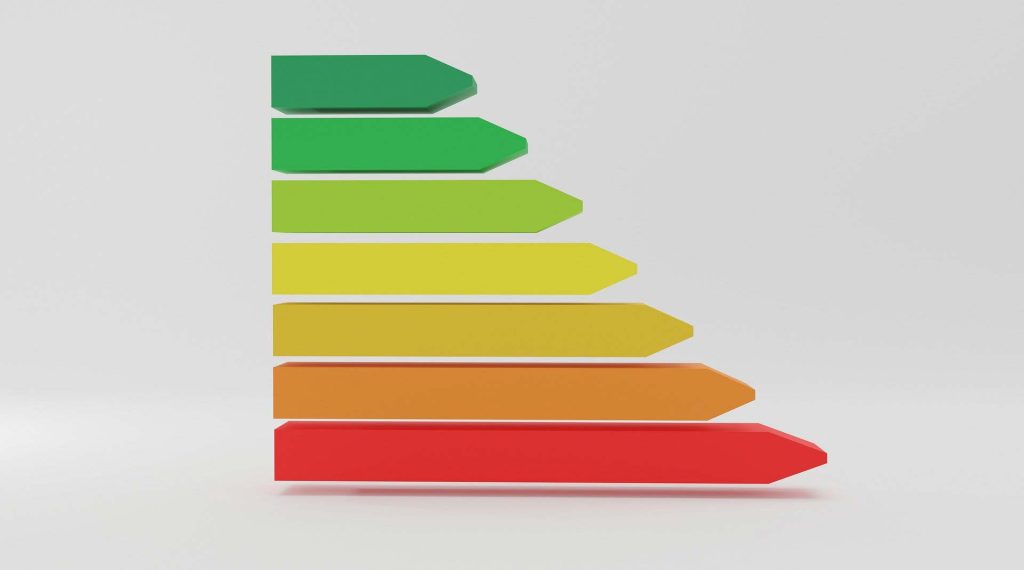
Traditionally, Energy Performance Certificates (EPCs) had little impact on mortgage decisions.
That’s changing fast.
1. Lender Risk and Regulation
UK lenders are under increasing pressure to reduce the carbon footprint of their mortgage books. Properties with poor EPC ratings are seen as higher long-term risks due to:
- Rising energy costs
- Potential future regulation
- Reduced buyer demand over time
As a result, lenders are paying closer attention to EPC data when shaping their lending criteria.
2. Green Mortgages and Incentives
Many lenders now offer “green” mortgage products for properties with EPC ratings of A or B (and sometimes C). These can include:
- Lower interest rates
- Cashback incentives
- Preferential product fees
- Additional borrowing for energy improvements
For buyers and remortgagers, a strong EPC can now directly translate into better mortgage deals.
3. Older Properties and Future Constraints
Homes with EPC ratings of E, F, or G aren’t un-mortgageable today, but they may face tighter lending criteria in the future.
There is ongoing discussion around minimum EPC standards, particularly for buy-to-let properties, and while timelines have shifted, the direction of travel is clear: inefficient homes will become harder and more expensive to finance over time.
EPCs and Borrowing Power
Energy efficiency also affects affordability in less obvious ways.
Lower energy bills can improve a household’s overall financial position, which some lenders factor into affordability assessments. While this isn’t yet standardised across the market, it’s another sign of how EPCs are becoming more integrated into mortgage underwriting.
Buying a Property with a Poor EPC: Should You Worry?
Not necessarily—but you should go in with your eyes open.
If you’re buying a property with a lower EPC rating:
- Check whether improvement recommendations are realistic and affordable
- Ask whether lenders will offer additional borrowing for upgrades
- Consider future resale value and mortgage options
- Factor energy costs into your monthly budget, not just the mortgage payment
In some cases, buyers can secure a mortgage today and then improve the EPC rating over time, unlocking better remortgage options later.
EPCs, Property Value, and the Long Term
Energy efficiency is becoming a value driver, not just an environmental one.
As running costs rise and buyer awareness increases, properties with better EPC ratings are likely to:
- Be easier to sell
- Attract more buyers
- Hold value better over time
- Offer more mortgage choice in the future
For homeowners, improving an EPC rating isn’t just about saving on bills—it’s about protecting the long-term marketability of the property.
The Bottom Line
EPC ratings are no longer just an administrative requirement. They’re increasingly relevant to mortgage rates, lender choice, and future-proofing your home.
Whether you’re buying, remortgaging, or planning ahead, understanding how EPCs interact with mortgages can help you make smarter, more informed decisions—both financially and practically.
If you’re unsure how a property’s EPC rating could affect your mortgage options, that’s where good advice really matters.