
Buying your first home is a big moment — exciting, emotional, and sometimes a little overwhelming. There’s a lot to take in, and it’s perfectly normal to feel unsure about where to start or what to expect.
This section walks you through the essentials — from deposits and mortgage types to the buying process — so you can move forward feeling informed, supported, and excited about your next chapter.
What is a FTBer?
A first-time buyer is someone purchasing a home for the very first time. To qualify, you must never have owned a residential property before — not in the UK, not abroad, not even a share of one. Even inherited property can affect your status.
How much can I borrow?
Your borrowing power depends on your income, your regular financial commitments, and your overall financial behaviour. Lenders look at things like your salary, bonuses, credit profile, and bank statements to understand what’s sensible and affordable for you.
Each lender uses its own affordability calculator, which means the amount you can borrow will vary from one lender to the next. We’re now in an exciting period for first-time buyers, with more products entering the market specifically designed to help people take their first step onto the property ladder. Many lenders are offering up to 5.5 times income for first-time buyers, and a growing number are now stretching beyond that — in some cases right up to 7 times income.
However, it’s not quite as simple as multiplying your income by those figures. Your loan-to-value, existing credit commitments, and overall credit profile all play a part in determining the final borrowing amount. That’s why we always recommend checking your affordability early, before you begin viewing properties. It gives you clarity, confidence, and ensures you’re looking in the right price range from the very start.
What product is right for me?
The “right” mortgage product is the one that best fits your situation, your plans, and your comfort level. Some people want absolute certainty, knowing their payments won’t change; for them, a fixed-rate mortgage provides stability and peace of mind. Others are open to fluctuation and prefer the potential flexibility of a tracker or discounted variable rate. Beyond the headline rate, there are also decisions around product fees, early repayment charges, portability if you move home, and how long you expect to stay in the property.
The Deposit
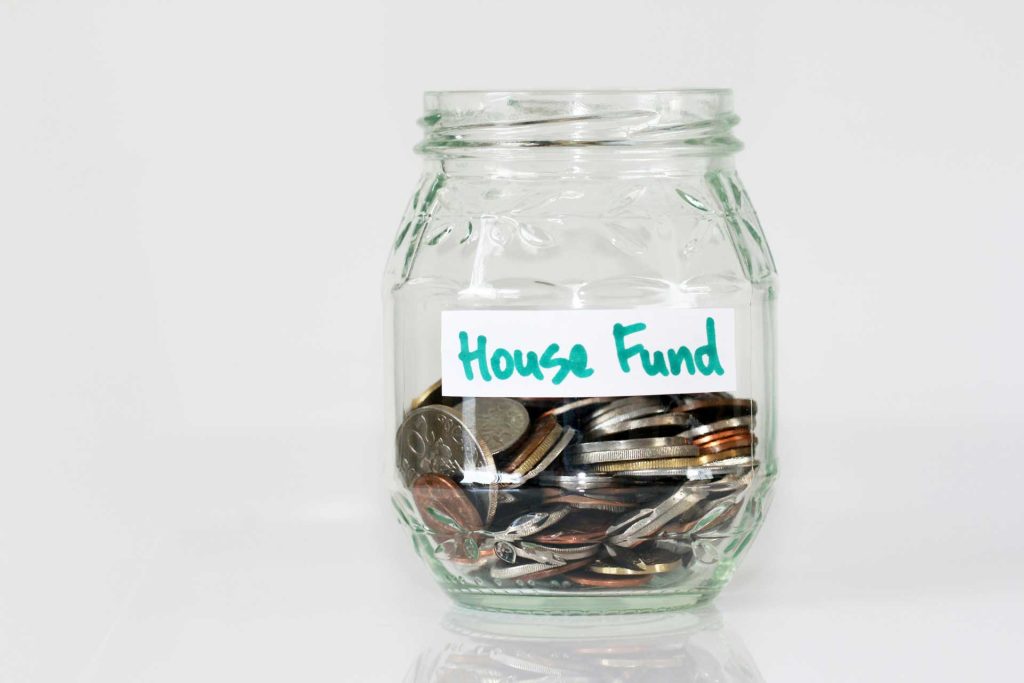
Your deposit is the foundation of your purchase and one of the biggest factors influencing the interest rate you receive, as it determines your Loan-to-Value (LTV). Generally speaking, the more you put down, the better the mortgage options tend to be.
Deposits can come from a variety of sources, and it is always advisable to speak to your adviser about this in your initial consultation, to ensure you are well prepared. The most common forms of deposit are: your own savings; family gifts; Lifetime ISA contributions; or bonuses and investments. Lenders will always want to see where the money has come from, so having your deposit in a clean, traceable account helps keep things smooth.
Increasing your deposit doesn’t just reduce the amount you need to borrow — it can reduce your monthly payments and potentially save you thousands over the lifetime of the mortgage.
What are the fees?
Alongside your deposit, there are several costs involved in buying your first home.
Broker Fees: Firstly (and very importantly!), we differ to most of the UK broker market in the fact there are no broker fees payable to us. We solely work off what we get paid by the mortgage lender, so you never pay us a penny.
Mortgage Product Fees: These vary from nothing, right the way up to £2,000+, with most products being around the £1,000 mark. It is important to establish if it is worth paying a fee or not, i.e. will you save the fee back due to the mortgage payments being sufficiently lower? It isn’t necessarily always about the lowest interest rate on the market.
Valuation/Survey Fees: There are three main types of property survey (survey article link) available when you’re buying a home, and the cost typically increases as you move up through the levels. A Level 1 basic valuation is often included for free as part of your mortgage product, depending on the lender. Level 2 Homebuyer Reports and Level 3 full structural surveys come with additional costs, which usually vary based on the value, size, and complexity of the property.
Stamp Duty: The purchase price of the property will determine if you are required to pay stamp duty. You would pay stamp duty if the purchase price goes above the FTB allowance set by the government, which at the time of writing (December 2025), is £300,000.
Conveyancer Fees: These fees can vary depending on your situation and the property you are purchasing, i.e. if it is freehold or leasehold.
It’s easy to underestimate the true cost of buying a home, so having a full breakdown early helps you budget with confidence. We’ll walk you through every cost so nothing arrives as a surprise.
What is conveyancing?
Conveyancing is the legal process that ensures the home you’re buying is exactly what it appears to be — legally sound, fairly represented, and safe to purchase. Your solicitor will review the contract, check the legal title, carry out local searches, and raise questions with the seller’s solicitor. They’ll also handle the financial side of the transaction, transferring funds on completion and registering the property in your name at the Land Registry.
A proactive solicitor can make your experience feel smooth and transparent, while a slow or unresponsive one can delay things unnecessarily.
Benefits of being a FTBer
Being a first-time buyer comes with several advantages that can make the buying journey smoother and more affordable. One of the biggest benefits is that you have no onward chain, meaning you’re not waiting to sell a property before you can buy. Sellers often prefer this because it reduces delays and the risk of the sale falling through, giving your offer extra appeal in a competitive market.
You may also benefit from reduced or even zero Stamp Duty, depending on the property price and the current government rules. This can save you a significant amount compared with someone who has previously owned a home, making your first purchase a little lighter on the wallet.
From a lender’s perspective, you typically present a cleaner financial profile. With no existing mortgage commitments and no property to sell, your application is often more straightforward to assess. This can make the process quicker and sometimes more favourable compared with buyers who are already tied into another mortgage. As said earlier, there are now more affordability schemes available for First-Time Buyers.
All of this contributes to a simpler, more streamlined buying process. Without the need to coordinate multiple transactions, things can move faster, giving you more control over your timeline. It also gives you stronger negotiating power, as sellers value certainty — and first-time buyers are often seen as the most reliable type of purchaser.
Top tips for First-Time-Buyers
We are slightly biased (!), but speak to a mortgage adviser as early on in the process as possible. This will give you the opportunity to ask as many questions as possible, but also to find out your position and where you stand.
It is important to establish how much you can afford each month.
This can be done through tracking your income and expenses for several months to understand your spending habits. Your monthly budget should cover the mortgage repayments, and ongoing costs like maintenance, utilities, and council tax.
Check and improve your credit score: Check My File is a great tool to downloading your credit report as it identifies how the main three credit reference agencies (Experian, Equifax and TransUnion) view you. They also allow you to create an account and download the report during a free trial period.
Registering on the electoral roll, paying bills on time, and keeping credit card balances low all should contribute to improving your score.
Understanding the documentation
It is important to make sure that when applying for a mortgage, you are doing so with the evidence that a lender may wish to see. By fully packaging your mortgage application, it will lead to a faster offer and a lot less stress! The likely required documents are:
- Income: 3 months’ payslips (if employed). Latest 2 years tax calculations and corresponding tax year overviews.
- Financial behaviour: 3 months’ bank statements for all current accounts held.
- Proof of deposit: Savings statements, investments accounts, gifted deposit letter.
- Proof of ID and address
What order should I do things in?
The journey to buying your first home is much smoother when you follow the right order. The best place to start is by speaking to a broker, even before you begin viewing properties. This gives you a clear understanding of what’s affordable and what your monthly payments will look like.
Once your documents are ready and your budget feels comfortable, you can start viewing homes with confidence. When you find the right property and your offer is accepted, that’s the moment to apply for your mortgage and begin the legal process.
From there, your solicitor and lender will work through the checks needed before contracts are exchanged and the purchase completes. With good guidance, each step leads naturally to the next.
When should I get in contact?
In truth, the sooner the better. Many first-time buyers wait until they’ve found a property before reaching out, but speaking to a broker early can save you a huge amount of time and stress.
Early conversations help you understand what you can borrow, how your deposit is viewed, and what steps you can take to strengthen your position. It also means you can move quickly when the right property appears — sellers value preparedness, and having your mortgage plan in place makes you a far more attractive buyer.
Whether you’re months away or ready to start tomorrow, getting in touch early gives you the clearest, smoothest path forward.